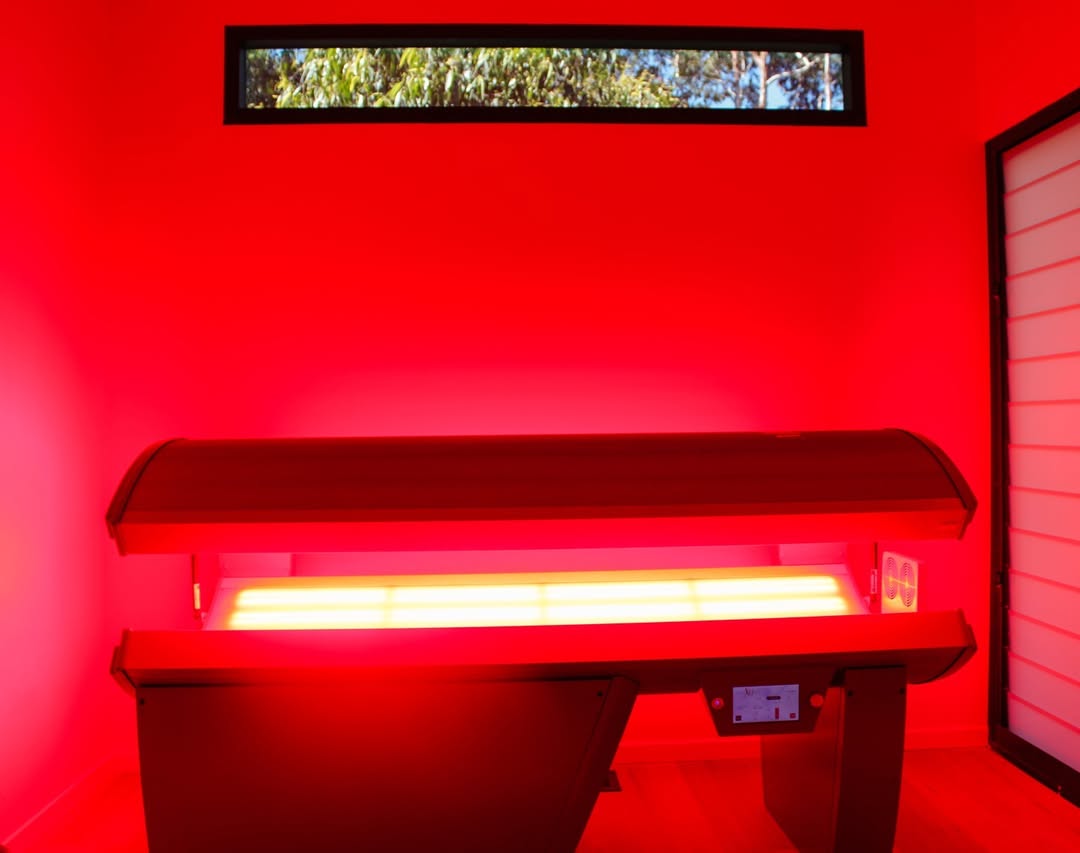
The Total XEN red light therapy bed is revolutionizing the way we approach wellness and skincare by harnessing the power of advanced light therapy technology. Designed to deliver an optimal blend of red and near-infrared wavelengths, this innovative bed promotes cellular rejuvenation, enhances skin health, and supports overall well-being. By penetrating deep into the skin’s layers, the Total XEN bed aids in reducing inflammation, improving circulation, and accelerating the body’s natural healing processes, making it a popular choice among health enthusiasts and aesthetic professionals alike.
As people increasingly seek non-invasive, holistic solutions for a variety of health and beauty concerns, the Total XEN red light therapy bed stands out as a cutting-edge tool that combines convenience with efficacy. Whether used for anti-aging benefits, pain relief, or recovery from workouts, this bed offers users a tailored experience to meet their specific needs. In this article, we will delve into the science behind its technology, explore the myriad benefits of red light therapy, and shed light on why the Total XEN is becoming an essential addition to wellness routines around the globe.
Benefits of Red Light Therapy
The benefits of red light therapy using the Total XEN bed extend far beyond skin deep. Users report improved skin tone and texture, with noticeable reductions in wrinkles, fine lines, and age spots. Furthermore, the therapy stimulates collagen production, which is essential for maintaining skin elasticity and firmness. Beyond aesthetic advantages, this treatment also plays a pivotal role in pain management and muscle recovery. Athletes and fitness enthusiasts are turning to options like the Total XEN as a red light bed for gyms to enhance post-workout recovery and reduce soreness, making it a versatile tool in both wellness and fitness landscapes.
The Science Behind Total XEN
At the core of the Total XEN bed’s functionality is its advanced beam technology, which delivers precise wavelengths of red and near-infrared light. This specific range is vital for cellular absorption, promoting metabolic processes within the skin and muscles. Research has shown that this therapy can lead to increased ATP production, which fuels cellular energy and accelerates healing. By targeting inflammation and optimizing blood flow, the Total XEN bed helps create an environment conducive to recovery and rejuvenation, making it a scientific breakthrough in the realm of holistic health and beauty solutions.
In conclusion, the Total XEN red light therapy bed not only exemplifies innovation in wellness technology but also paves the way for a comprehensive approach to health and beauty. With its ability to promote cellular regeneration, enhance skin vitality, and support efficient recovery, this therapy is quickly becoming a staple for those looking to improve their overall health naturally and effectively. Whether used as part of a skincare routine, during rehabilitation from injury, or as a proactive measure in wellness practices, the Total XEN bed offers a unique blend of convenience and results that caters to the diverse needs of users. As awareness of its benefits grows, the Total XEN red light therapy bed is set to reshape the landscape of both aesthetic and therapeutic treatments, making it an indispensable asset in the pursuit of holistic well-being.