Ultimate Guide To Birch Plywood: Features & Uses
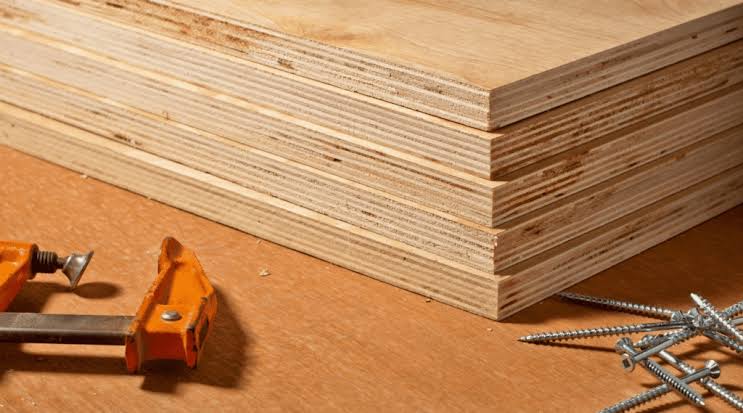
Birch plywood has become an increasingly popular choice among architects, designers, and builders for its unique combination of strength, aesthetics, and versatility. Derived from the layers of thin birch veneers that are glued together, this engineered wood product offers a stable and durable material that can withstand various environmental conditions. With a fine grain pattern and a light, pale color, birch plywood not only serves functional purposes but also enhances the visual appeal of any project it’s used in.
In recent years, birch plywood has found its way into an array of applications, from furniture and cabinetry to flooring and interior finishes. Its lightweight nature allows for easy handling, while its outstanding resistance to warping and splitting makes it an ideal choice for both residential and commercial uses. As sustainability becomes a growing concern in the construction and design industries, birch plywood stands out for its eco-friendly properties, often sourced from responsibly managed forests. This article will explore the benefits, applications, and characteristics of birch plywood, shedding light on why it remains a preferred material in multiple sectors.
Benefits of Birch Plywood
One of the most notable benefits of birch plywood is its exceptional strength-to-weight ratio. This characteristic allows for innovative design possibilities without compromising structural integrity. Additionally, birch plywood is remarkably easy to work with, making it a favored material for both experienced craftspeople and DIY enthusiasts. Its availability in various thicknesses and finishes further enhances its versatility, allowing it to be tailored to specific needs across different projects. The smooth surface of birch plywood not only provides an excellent base for staining and painting but also adds an elegant touch to finished products.
Applications in Design and Construction
Due to its aesthetic appeal and robust nature, birch plywood is increasingly utilized in modern design, featuring prominently in furniture design, cabinetry, and even wall paneling. Its ability to seamlessly blend with other materials makes it a versatile choice for a wide range of interior applications, from sleek contemporary settings to more traditional designs. Additionally, innovations in manufacturing processes have broadened the scope of Birch Plywood, making it suitable for use in areas like sound insulation and sustainable building practices, further establishing its place as a go-to material in the architecture and design sectors.
In summary, birch plywood stands out as a remarkable material that embodies both functionality and beauty, making it indispensable in contemporary design and construction. Its unique properties, such as an excellent strength-to-weight ratio, ease of manipulation, and stunning visual appeal, cater to the diverse needs of various applications, from elegant furniture to practical architectural elements. Furthermore, the commitment to sustainability in sourcing birch plywood from responsibly managed forests enhances its appeal in an eco-conscious market. As designers and builders continue to embrace innovative methods and materials, birch plywood is poised to remain a favored choice, contributing not only to aesthetically pleasing environments but also to responsible practices in the industry.